Health and Safety Policy — Skip Hire Upminster
 This Health & Safety Policy establishes the commitment of Skip Hire Upminster to protect the health, safety and welfare of all employees, contractors, visitors and members of the public affected by our skip hire and rubbish removal operations. The purpose of this policy is to set out the standards and practical arrangements that ensure safe working practices across our waste management and skip hire services. The policy applies across our service area and to all activities including delivery, collection, loading, storage and disposal of waste.
The policy is maintained by senior management and communicated to staff and contractors. Responsibility for implementation rests with managers, supervisors and vehicle operators. All personnel engaged in skip hire, rubbish collection or associated tasks must follow the procedures and report hazards promptly. We expect everyone to adopt safe behaviours and to participate in training and risk assessment processes that underpin our approach to safety.
Scope and Objectives
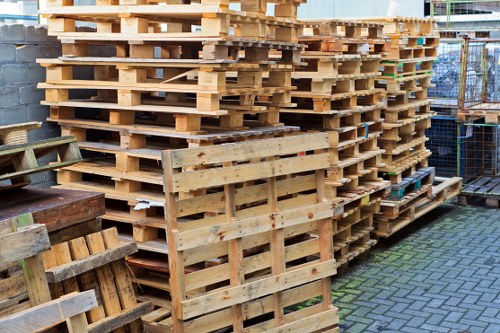
This document covers operational, transport and site activities associated with our skip hire services. Objectives include preventing workplace incidents, minimising manual handling injuries, controlling risks from moving vehicles and plant, and ensuring compliance with applicable health and safety obligations. The company seeks continuous improvement through monitoring, incident investigation and regular review of controls.Risk Assessment and Control Measures
We carry out documented risk assessments for routine and non-routine tasks. Controls are selected using the hierarchy of risk control and include elimination, substitution, engineering controls, administrative controls and personal protective equipment (PPE). Key measures include safe loading limits for skips, stable placement of containers, exclusion zones during lifting operations and clear traffic management on site.Workers and contractors must use appropriate PPE: hi-vis clothing, safety footwear, gloves, eye protection and respiratory protection where dust or hazardous materials are present. Training is provided on correct lifting techniques, safe use of compactors and securing loads for transport. We maintain records of risk assessments, training and competence checks to demonstrate due diligence.
Vehicle, Driver and Plant Safety
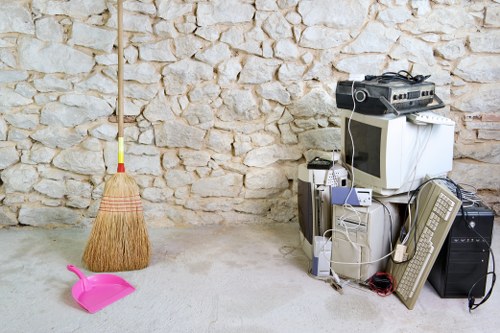
Vehicles used for skip delivery and collection are maintained under a planned preventive maintenance schedule. Drivers follow safe systems of work that include vehicle checks, secure load procedures and route risk planning. Plant operators are trained and authorised; lifting operations are planned and supervised by competent personnel to prevent injury or damage.Loading and unloading protocols emphasise safe stacking, correct use of lifting equipment and clear communications between spots and drivers. Traffic management uses signage, barriers and marshals where necessary to segregate vehicles from pedestrians. Site-specific rules must be observed by all visitors and site operatives to minimise interaction risks between pedestrians and moving equipment.
The policy addresses the handling of hazardous or restricted waste. Materials that present a health or environmental risk are segregated, labelled and managed according to statutory controls and accepted industry practice. Workers are forbidden from disposing of unknown hazardous substances in general waste skips; suspected hazardous waste must be reported and treated under specialist procedures.
Incident Reporting, Emergency Response and First Aid
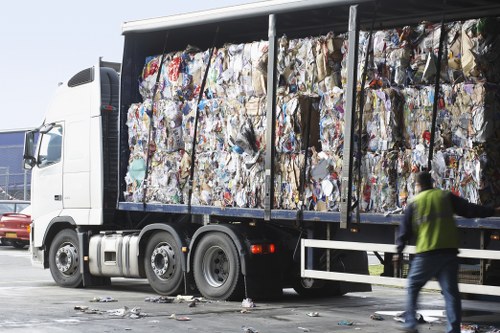
All incidents, near misses and unsafe conditions must be reported immediately. We investigate incidents to identify root causes and implement corrective actions. Emergency arrangements include trained first aiders, accessible first aid equipment, clear evacuation procedures and liaison with emergency services where required. Regular drills and reviews of emergency plans ensure readiness. Monitoring, Audit and Continuous Improvement The company monitors health and safety performance through inspections, audits and key performance indicators such as incident rates and audit findings. Corrective actions are tracked to completion and lessons learned are shared across teams. Management reviews the policy annually or after a significant change or incident to ensure it remains effective and proportionate to the risks.
Responsibilities are defined as follows: directors set policy and provide resources; managers implement controls and supervise operations; employees and contractors follow safe systems of work and report hazards. Everyone is responsible for contributing to a safe workplace and for promoting best practice in rubbish collection and skip hire operations.
In summary, this Health & Safety Policy for our skip hire and waste removal services demonstrates our commitment to protecting people and property, reducing environmental harm and meeting our legal and moral obligations. By embedding strong risk management, training and oversight into day-to-day activities, the company ensures safe, reliable and compliant skip hire services across the service area.